Your Custom Text Here
Peas Galore!
Our gardens are overflowing with cascades of pea vines inching their way across trellises with abundant fragrant flowers and pea pods. I love it! This year, I planted some in each of our gardens. They’re growing along with herbs and berries in our raised beds. I have snow peas and snap peas in the vegetable garden and sweet peas, along with a few other ornamental varieties, in the flower garden.
Flower Share
Sweet Peas
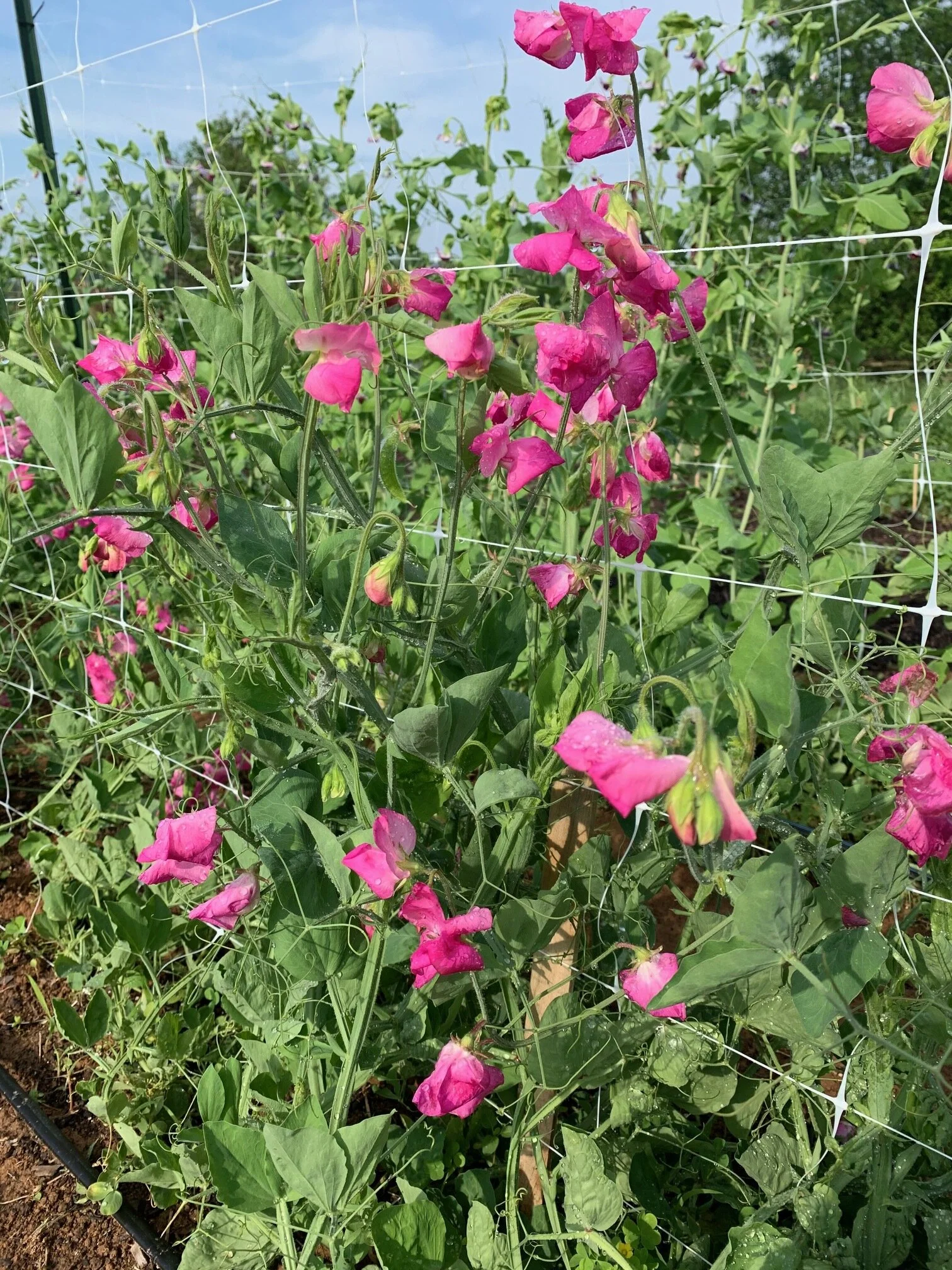
For the past two weeks, I’ve been trying to incorporate sweet peas into our flower shares. While they grew abundantly this year, I’m afraid we’re in for a short season due to late planting with the wet and crazy spring we’ve had.
This is my third year growing sweet peas and I am definitely still learning! While I love their romantic fragility and sweet fragrance, I tend to favor larger statement flowers and I struggle with how to incorporate small delicate sweet peas into arrangements and bouquets. I prefer to enjoy them scattered around the house in the many small vintage vases I’ve collected over the years.
I sow our first sweet pea seeds indoors in January. All peas germinate best if they are pre-sprouted first, which simply means soaking them in water for overnight or in a damp paper-towel in the fridge for 3-4 days. Most peas and legumes can also benefit from adding inoculant to the pre-soak, which adds bacteria and nitrogen to support their early growth. Sweet peas grow fast long roots so I plant them in 3” pots under our grow lights. After they reach 4-6'“ tall, I give them them a hard pinch back to the lowest set of leaves, leaving two or three leaf nodes, to encourage the plant to branch vigorously from the base.
The earlier you plant sweet peas, the better as they are cool weather plants. I aim to plant ours by mid-April. They require rich soil, so I dig a trench and add compost before placing the plants roughly 8” apart on either side of a trellis. Sweet peas also need consistent moisture so we use a drip line across the row and feed them weekly with compost tea.
In order to achieve long straight flower stems, which I’m still striving for, it’s important to regularly tie the growing pea tendrils to a trellis for support. I hope next year will be my sweet pea bumper crop year as I plan to start them earlier in our new geo-thermal hoop house.

Sweet Peas Growing in our Flower Garden

Sweet peas incorporated into one of our flower share bouquets
Produce Share

We kicked off our produce share last week with lots of beautiful greens and bags full of snow peas and snap peas. Last week’s herb selection included dill, tarragon and rosemary. We also harvested zucchini blossoms and garlic scapes , signs that the zucchini and garlic will soon be ready for harvest.
Snap Peas
I prefer snap and snow peas raw and enjoy them straight off the vine as I’m harvesting. One of my favorite salads is a sliced snap pea salad, which is beautiful, fresh and delicious.
Zucchini Blossoms
Stuffed zucchini blossoms bring a little bit of Tuscany into your kitchen. Mix ricotta cheese with grated Romano cheese and mozzarella, garlic salt and pepper. Prepare a batter with milk, egg and flour to dip the blossoms in before sauteing in olive oil, flipping once until both sides are light brown. Top with fresh chopped parsley or basil.
Garlic Scapes
Like most plants, garlic plants can produce flowers. The flower stalks that begin to twist out of the garlic foliage about a month before the garlic is ready for harvest are called scapes. In my opinion, they are the best part of the garlic plant and why I love growing garlic. Without scapes, I’m not sure I would have the patience to grow garlic. Garlic is planted in the fall, goes dormant in the winter and then begins to grow in the spring. By May, scapes will begin to appear in most hardneck garlic varieties. They should be cut while they are still tender and the necks twisted into one loop. Cutting the scapes redirects the plants energy into growing a larger bulb. If you leave the scapes on, they will straighten out and grow tall and then will be too tough to eat. Some growers believe leaving the scapes on will improve garlic storage although the bulbs will be smaller.
When the scapes are straight and tall and no more than a quarter of the garlic plant’s leaves have turned brown, the garlic is ready to be harvested. Unfortunately, they can’t yet be enjoyed. After harvesting, garlic needs to cure 4-6 weeks or longer depending on the heat and humidity. We harvested our garlic this week (250 bulbs) and it is now hanging in our garden shed curing. CSA members can expect delicious garlic bulbs in a couple months.

My Favorite Uses for Scapes:
Pesto - By far, my favorite use of scapes is pesto. I make several batches when scapes are in season and freeze to enjoy all year.
Grilled - Fire up the grill, season the scapes with olive oil, salt and pepper and throw them on. Flip them a few times until they are charred in spots and softened. They mellow in flavor significantly and are bit like garlicky asparagus.
Scape Butter - Soften butter to room temperature and saute scapes in olive oil until softened but still green. Finely chop the scapes and mix with your herbs of choice (I like a mix of thyme and tarragon) and mix into butter. Spread on wax paper and roll into log. I then freeze the log and cut off pieces to use in all kinds of recipes or just garlic bread.
Featured Local Farm
As a special welcome gift for our produce share members, we included a bottle Rosé wine from our neighbors Windridge Vineyards in their first delivery. Windridge is a local family-owned company that has been farming in the Poolesville - Darnestown area for since the late 50’s. They planted their first vines in 2011 and opened their outdoor tasting pavilion last year just up the road from us at their vineyard on Darnestown Road. This year, they will open a new indoor tasting room. If you haven’t yet visited them, you should definitely add it to your summer plans. The view from their tasting pavilion looking over the vineyard is breathtaking and their wine is very good. They are open from 12-6 Wednesday and Thursday for wine pickup (you can also order online) and you can stay and enjoy wine and watch the sunset on Fridays and Saturdays until 9pm or come for a picnic lunch on Sundays from 12-6. They usually have a local food truck or bring your own food. There is plenty of room for social distancing!


July 1 CSA Newsletter

Peas to You!
We've been busy at Pleasant Hills catching up with Mother Nature. As soon as all the plants and seeds are in the ground, our focus turns to battling weeds which can seem like an endless task when farming organically. As frustrating and tiring as it can be, it's worth every effort to provide our family and yours with chemically free produce and flowers.
Peas are one of my favorite first harvests of the season. I love how they adventurously climb weaving their fragrant flowers through our trellises and then seemingly overnight explode with pods so sweet you can eat them off the vine, as I often do. Peas thrive in cooler weather and shut down shortly after the high heat of summer arrives so it's important to enjoy them while we can!
This Week's Flower Share
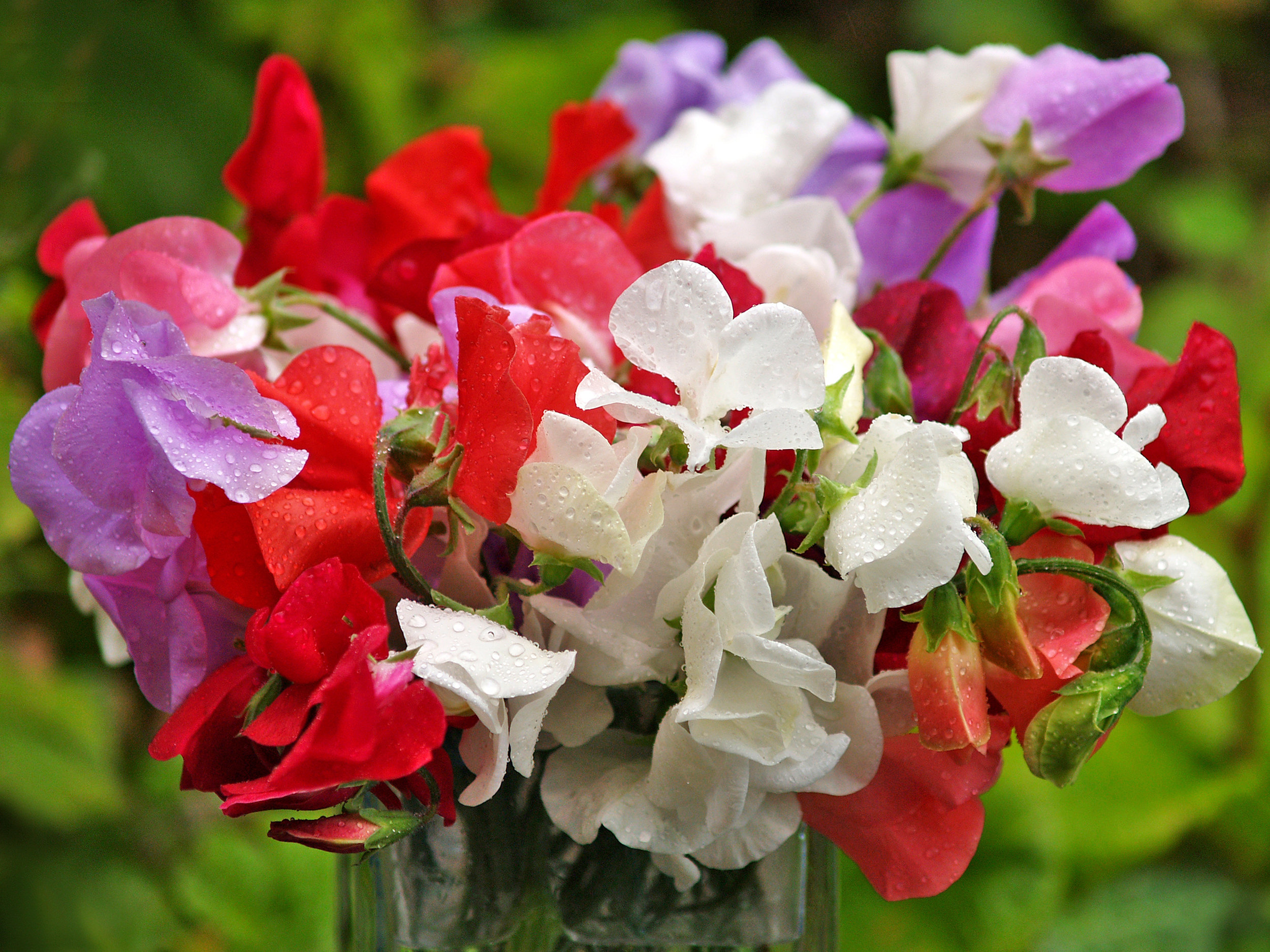
Sweet Peas are the theme for this week's flower share. Their beautiful fragrance is undeniably special but I find their delicate stature make them difficult to pair with other flowers. I prefer them alone in a simple arrangement on my windowsill where they can fill the room with their soft aroma.
I also included a mixed arrangement of flowers from our gardens as well as a few wild flowers gathered in a foraging expedition around the farm. The arrangement includes hydrangea, veronica, celosia, and platycodon grandiflorus (balloon flower) along with an assortment of fresh herbs including lavender, oregano and dill.

This Week's Produce Share
Raspberries
Mint
Parsley
Oregano
Shallots
Garlic
Garlic Scapes
Radicchio
Fennel
Green peas
Rosemary Bread - Upper Crust Bakery
Strawberry Rhubarb Jam
Recipe Suggestions
Radicchio, Fennel and Olive Panzanella

The crunchiness of the bread toasted in lemon zest and olive oil along with the crispness of fresh fennel and radicchio make this one of my favorite summer salads. Add artisan salami, manchego cheese and olives and you can't go wrong!
I like to mix all the ingredients and dress the salad the night before so all the flavors have a chance to mix together. It doesn't crispness. This salad will be a hit at any barbecue or picnic! Enjoy with a good Pinot Noir.
Share Ingredients Used: Fennel, Radicchio, Oregano, Parsley, Shallot
Additional Ingredients Required: lemon, olive oil, salami, manchego cheese, green olives, country-style bread, red wine vinegar, salt and pepper
Raspberry Mint Mojito

Ingredients
2 lime wedges
1 sprig fresh mint
1/2 ounce Raspberry Infused Simple Syrup
2 ounces white rum
Fresh Raspberries
Raspberry Infused Simple Syrup
1 cup water
1 cup sugar
2 cups raspberries
In cocktail shaker, muddle the lime and mint leaves. Add in raspberry simple syrup and white rum. Add ice, cover and shake. Garnish with raspberries, mint leaves and lime. To make simple syrup, combine sugar and water in sauce pan. Cook the mixture over medium heat until sugar dissolves. Remove from saucepan and add in raspberries. Allow mixture to steep for at least 2 days in refrigerator but will keep for up to a month to add to any drink when desired.
Chilled Pea and Scallion Soup

Serves 6 to 8
Ingredients
4 tablespoons extra virgin olive oil
2 medium shallots, finely chopped
2 bunches scallions, thinly sliced, white and green parts separated
2 cups vegetable broth
2 cups shelled fresh peas
Kosher salt and ground black pepper
6 to 8 pieces country bread
12 fresh mint leaves
Heavy cream for drizzling (optional)
In a heavy sauce pan, heat 2 tablespoons for the olive oil over medium heat. Add the shallots and the whites of the scallions and cook until soft and translucent, about 3 minutes. Pour the broth, add the peas and season with salt and pepper. Raise the heat to medium-high, bring to boil and then reduce heat to low, cover and and simmer until the peas are tender, about 6 minutes.
Working in batches, transfer the soup to a blender or food processor and puree until smooth. Strain into a a container, cover and chill for 2 hours. Taste and season the soup with salt and pepper as needed. In a small mixing bowl, toss the scallion greens with the remaining 2 tablespoons olive oil. When you are ready to serve, grill or toast the bread and spoon the greens over. Place 1 crostino in each bowl and divide the soup among the bowls. Drizzle with heavy cream, sprinkle with chopped mint and serve.
About Garlic Scapes
Garlic scapes are my new epicurean obsession. If you have never tried them, you are in for a delightful surprise. Scapes shoot out of the garlic bulb. Farmers harvest them when they are young and tender to avoid depleting the garlic bulb of essential nutrients to grow. They look like long curly vegetable pasta! When in hand, I add them to just about any recipe for added flavor. My favorite way to prepare them though is grilling. Toss in olive oil, salt and pepper and then grill on an open flame 2 minutes and then turn for another 2 minutes. Add a little lemon zest and sea salt flakes and enjoy!

Garlic Scape Pesto
Another great use for them is in a pesto with pasta.


Quisque iaculis facilisis lacinia. Mauris euismod pellentesque tellus sit amet mollis.